
Introducing the New PublishPress Shortlinks Plugin
We believe that WordPress is the best publishing platform. Our goal is to help make it even better for you.
To reach that goal, we plan to add several new plugins to PublishPress in 2026. You will get access to more small, medium and big plugins this year.
PublishPress Shortlinks is first new plugin we're launching towards that goal! This plugin allows you to create custom links for your posts and also for external links. Here are two ways to use the plugin:
- Custom URLs for your posts. Imagine you're hosting a big event and have a page on your website with all the details. PublishPress Shortlinks allows to create a short, memorable link for the event, for example:
https://publishpress.com/go/cool-party. You can track how many people click the link. You can set the link to expire after the event finishes. You can even download a QR code to share on brochures. Oh, because of the next feature, you can do all of this even if you're selling event tickets on another website. - Custom URLs for external links. Imagine you run a website with toy reviews. You join affiliate programs and make money when people click on your links and buy tools. PublishPress Shortlinks allows to create a short, memorable link for each toy, for example:
https://publishpress.com/go/cool-toy. You can track how many people click the link and get a full analytics report on those clicks.
PublishPress Shortlinks is our 11th plugin and this post is a full introduction to what it does. The Free version of the plugin is available now from WordPress.org. A Pro version is coming in the next few weeks.
Table of Contents
Custom URLs for your posts with PublishPress Shortlinks
With PublishPress Shortlinks you can create custom links for your posts. These links are brandable and trackable. You can share links for any type of content, even unpublished posts in draft status.
PublishPress Shortlinks will automatically generate links for all your posts and pages. These shortlinks are available from the Posts screen, as you see in this screenshot below. These links will also be available via the Post Edit screen.
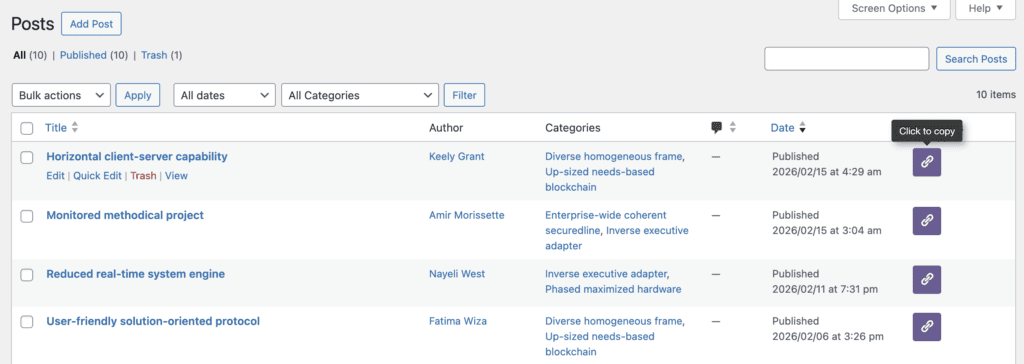
Every post has its own URL. By default, the final part of the URL will be a unique combination of 5 characters, so your shortlink will look like this: https://example.com/go/8vi3n.
However, you can customize the slugs so they have human-readable URL looks like this: https://example.com/go/shortlinks.
PublishPress Shortlinks also allows you to share posts before you make them public.
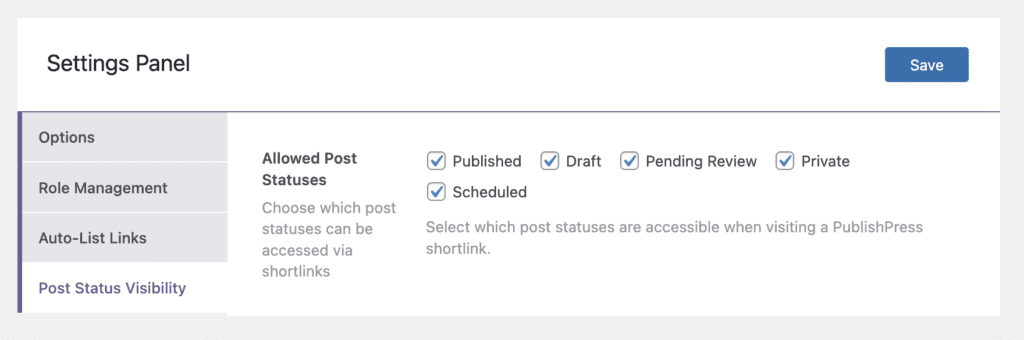
In your admin menu, go to Shortlinks > Settings > Post Status Visibility. Here you can choose which post statuses will be accessible via shortlinks. The options are shown in the screenshot below.
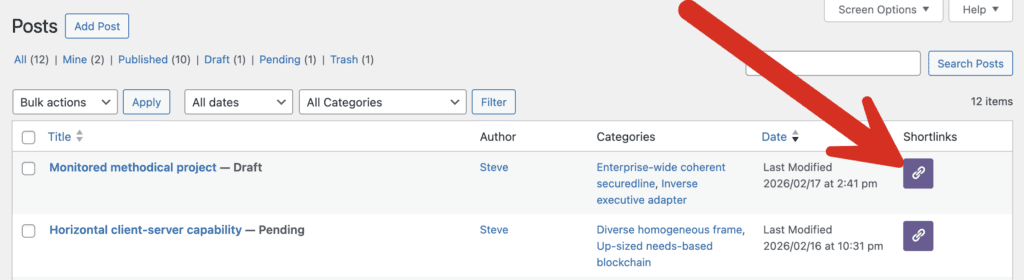
In the screenshot below, you can see one post in the “Draft” status and another post in the “Pending Review”. You can share these links and people will not need access to your WordPress site to preview the post.
It's also possible to protect your shortlinks with passwords and expiry dates. So if you are sharing previews of unpublished content, you can be reassured that only the people you choose can access the post.
To control these settings, go to “All Shortlinks” and choose to edit a shortlink. Click the “Security” tab. You will see the options in the screenshot below.
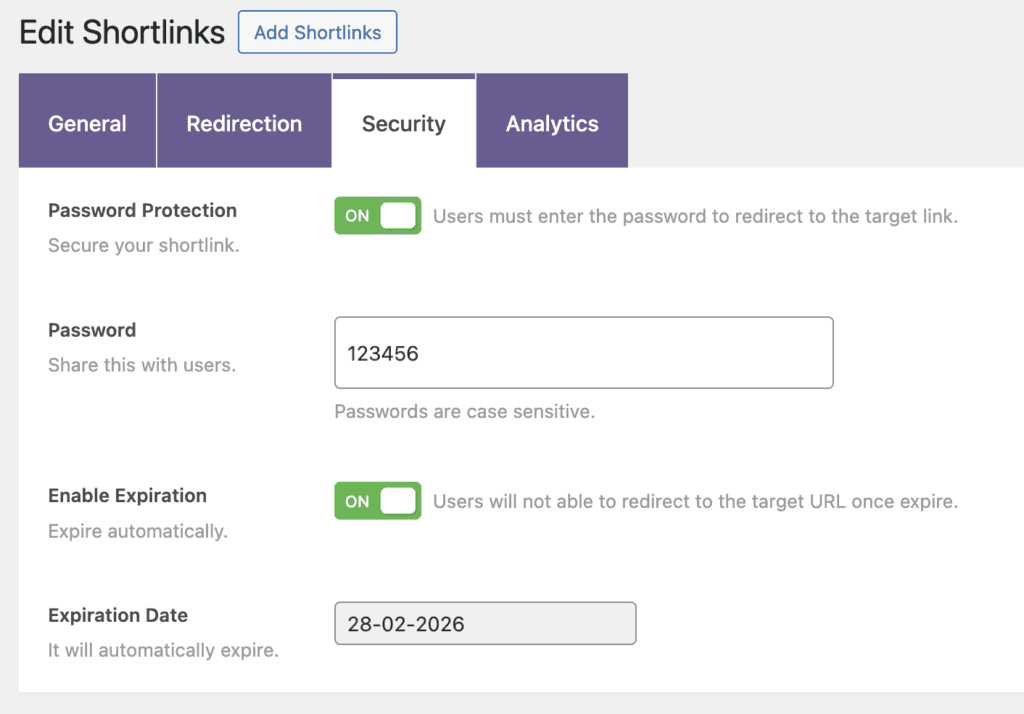
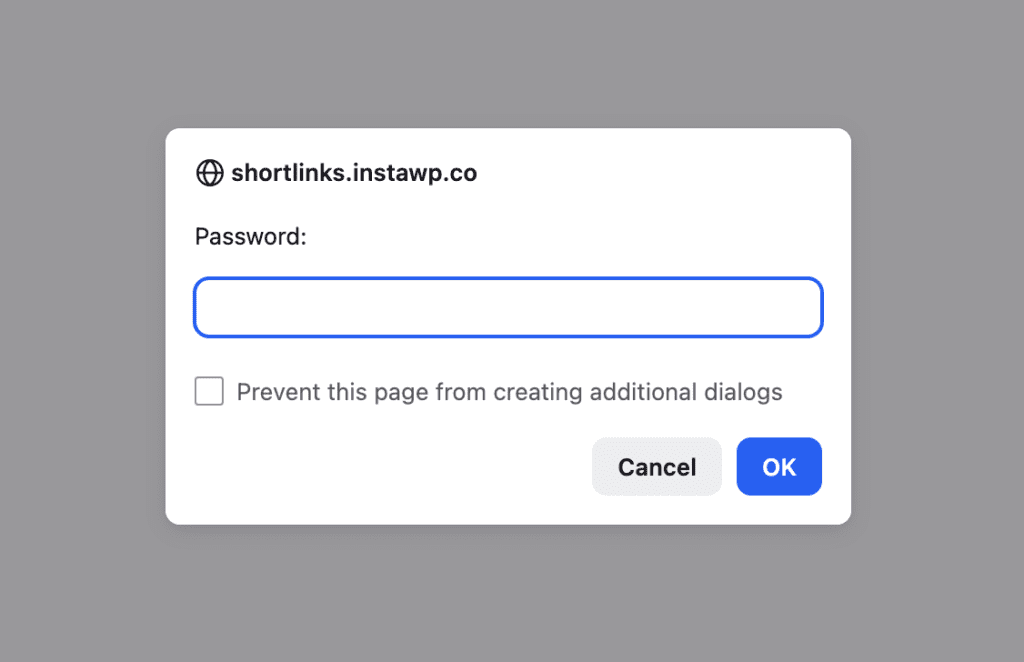
If you require a password, users will be forced to enter that password before they can view the post.
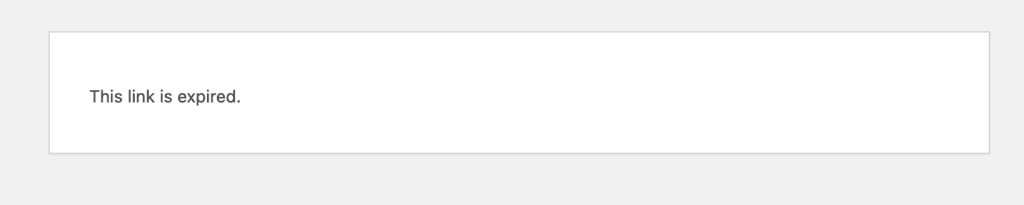
If you set an expiry date for the shortlink, anyone who tried to view the post after that date will see a message saying that the link has expired.
Custom URLs for your external links with PublishPress Shortlinks
You can take all of the features we talked about in the last section and apply to them to external links too. You can go to Shortlinks > All Shortlinks and enter an external URL into the “Target URL” field.
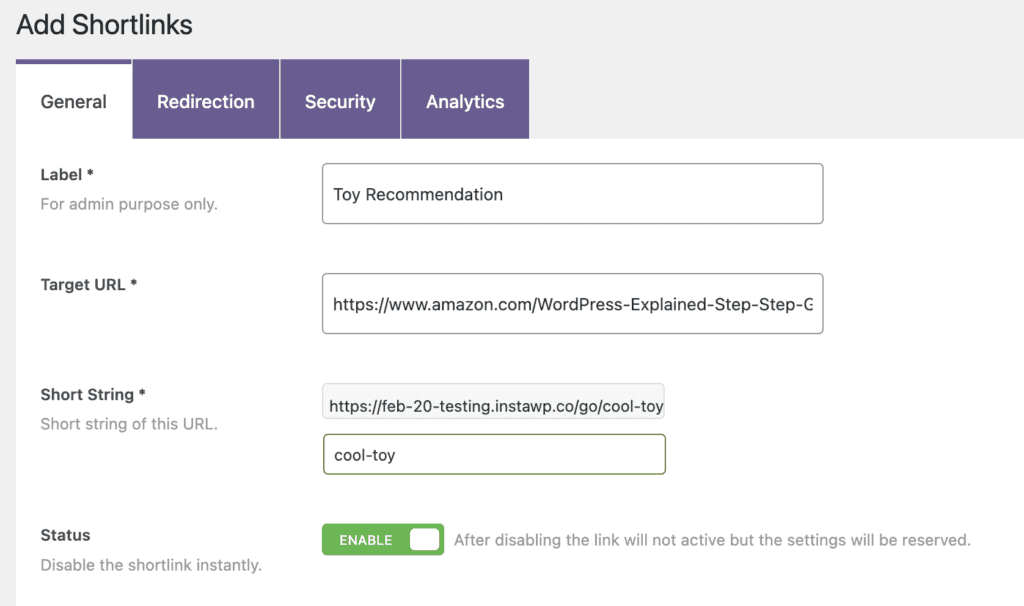
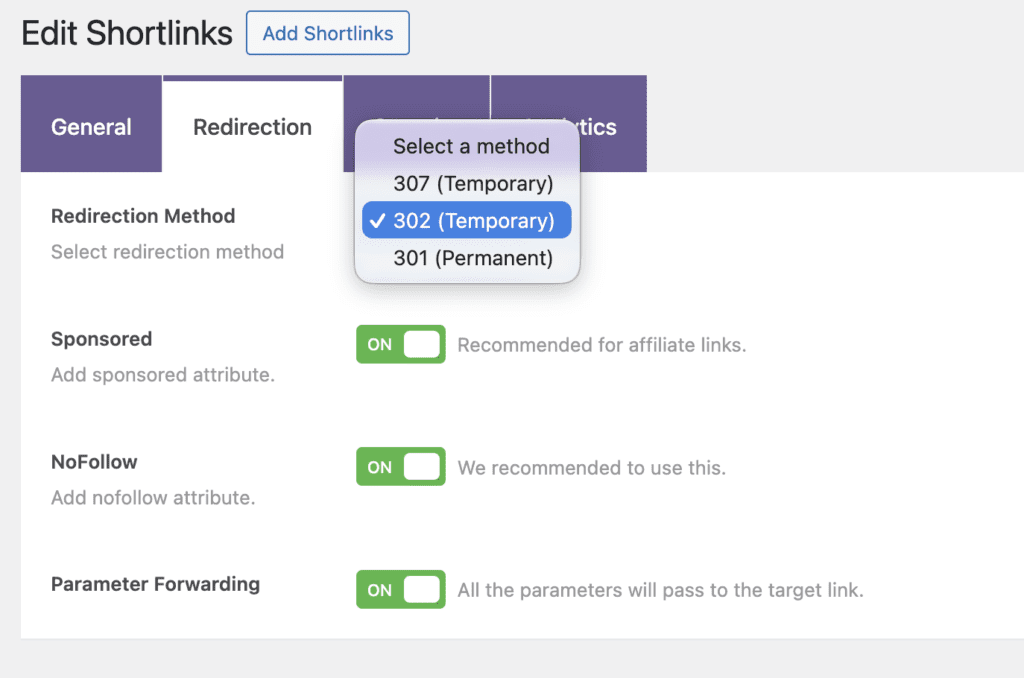
Click the “Redirection” tab and you have several tools that are helpful for external commercial links:
- Redirection Method: With the first setting, you can choose what kind of redirect is used for each link. 302 and 307 (Temporary) redirects tell search engines that the requested URL has been moved temporarily, but will be back eventually. 301 (Permanent) redirects are used to tell search engines that a requested URL has been permanently moved to another URL. If you’re confident that your target URL will never change, then use this redirect type.
- Sponsored: This adds rel=”sponsored” to your links. This attribute was introduced by Google to indicate links that result from advertisements or paid placements.
- NoFollow: This adds rel=”nofollow” to your links. This attribute tells search engines not to pass authority (ranking credit) to the linked page.
- Parameter Forwarding: This option makes sure that any query string data from an original URL will be carried over to destination URL. This is normally used for tracking or maintaining session information, such as
?utm_source=google.
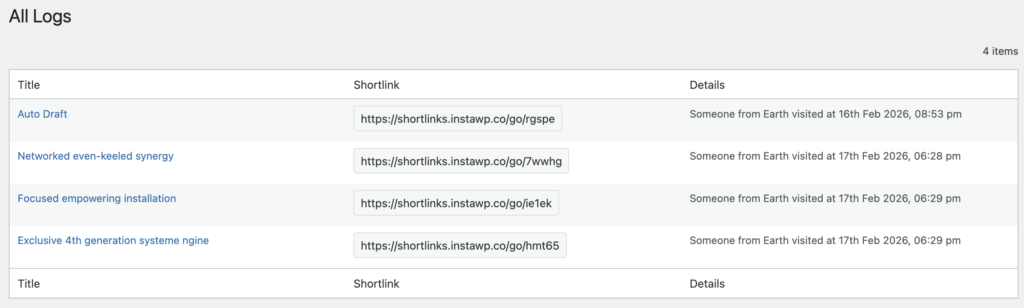
PublishPress Shortlinks also has a Logs feature that records everyone who clicks your links. These logs are then turned into analytics charts so you can see how popular each shortlink is. These logs are available by going to Shortlinks > Logs.
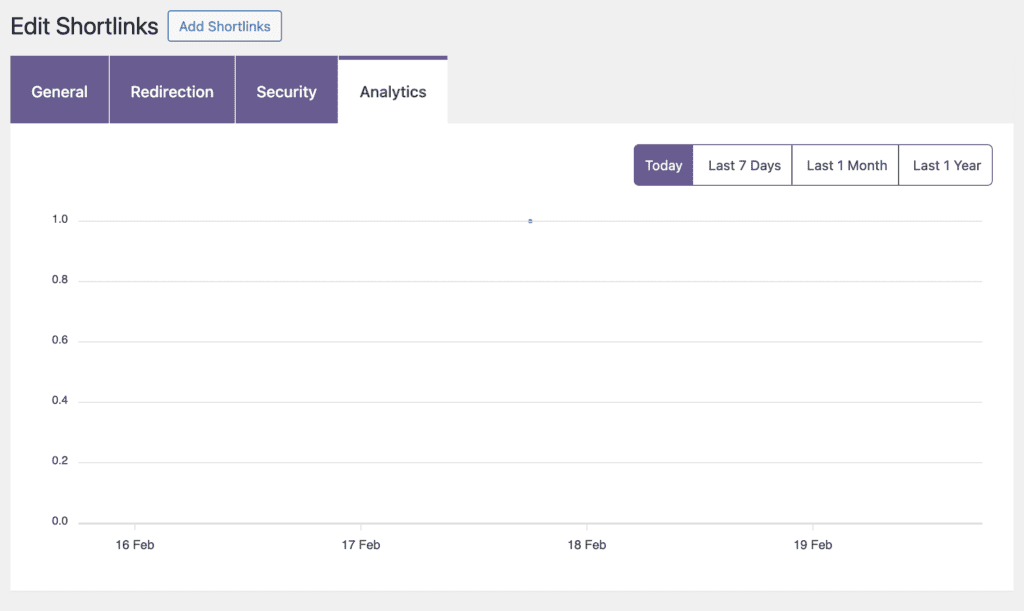
This data is collected and then displayed individually for each link. To find this information, go to Shortlinks > All Shortlinks in your WordPress admin menu. Choose a shortlink to edit and then click the “Analytics” tab, as in the screenshot below.
More about PublishPress Shortlinks
This launch is only the first version of the plugin. There are more features I haven't mentioned yet, and more that we're planning to release soon.
Other features you'll find right now include analytics and logs for your links, plus QR codes, and multiple different redirect options.
Next, we're working on the Pro version. That will arrive with detailed access control so you can decide who is able to create and edit these links.
Please give the Free version a test and let us know if there any extra features that would be helpful for you.

Custom, shareable URLs for your WordPress posts
With PublishPress Shortlinks you can create custom links for your posts. These links are brandable, trackable, and can have custom view permissions.

Why would I need this?
Hey Ronald
Here are 3 reasons:
1. To share unpublished posts with people who don’t have access to your site.
2. To share short, brandable links to your site. You can also use a QR code to share those links.
3. If you work with affiliate programs, you can use this to track who’s clicking on your outbound links.
Most of our site is member-only using Wishlist Member. Would I be able to create a shortlink to give access to the public for a specific Protected (by WLM) post?
Hi Susan. That’s a great question. This is definitely the kind of thing we plan to support in this plugin. We don’t have a copy of WLM to test with. Feel free to use our Pre-Sales area to contact us and let’s investigate.